
Know Muscat
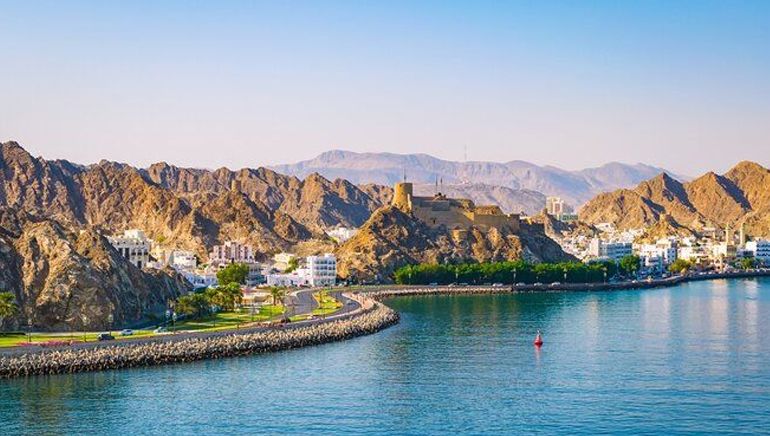
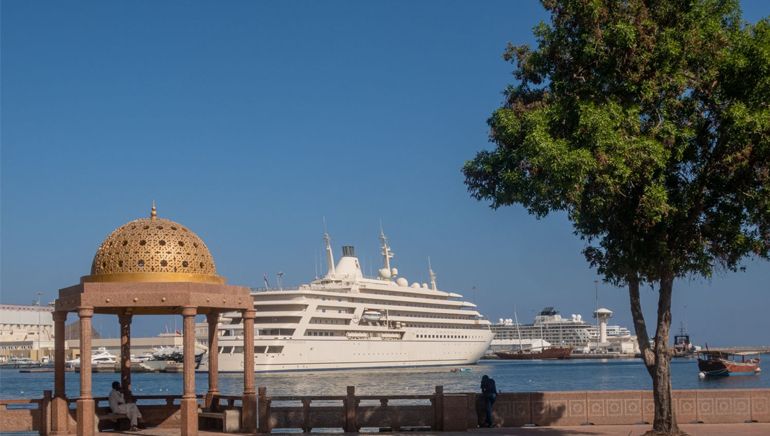
Muscat, Oman’s port capital, sits on the Gulf of Oman surrounded by mountains and desert. With history dating back to antiquity, it mixes high-rises and upscale shopping malls with clifftop landmarks such as the 16th-century Portuguese forts, Al Jalali and Mirani, looming over Muscat Harbor.
The city is home to several historical sites, including the iconic Sultan Qaboos Grand Mosque and the Bahla Fort. The Grand Mosque is truly a sight to behold, with its white marble and intricate design. The Bahla Fort, a UNESCO World Heritage Site, is an ancient fortress built during the 13th century.
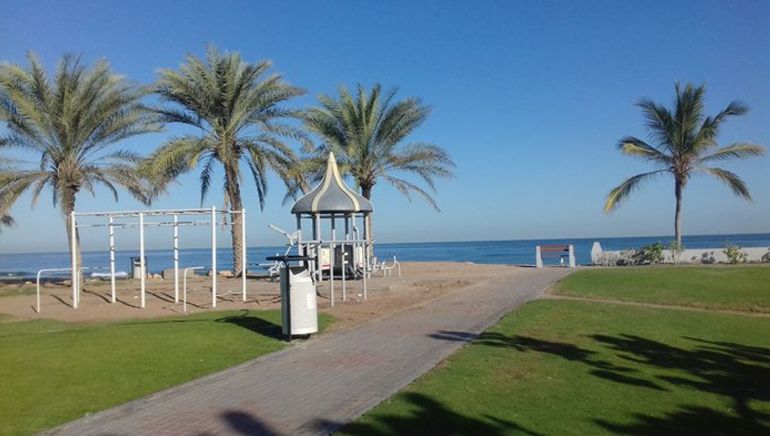
The city also offers a variety of activities for visitors to enjoy. From exploring the city’s many souks and markets to taking part in a desert safari, there’s something for everyone. For those looking to relax, there is a variety of beaches to choose from, as well as plenty of resorts, spas and other activities.
Sultan Qaboos Grand Mosque
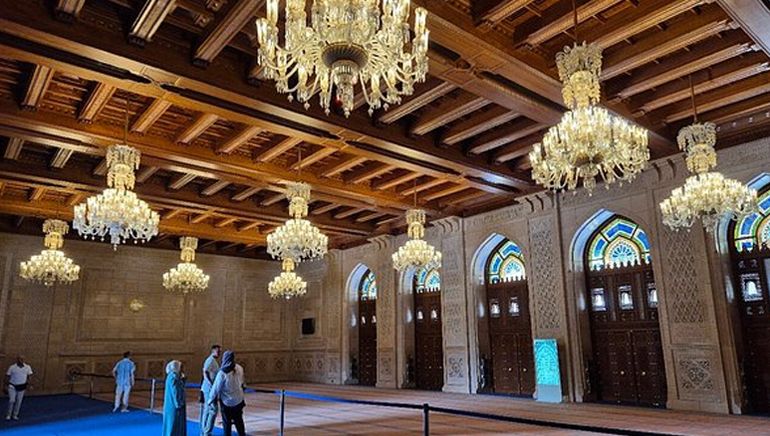
Close to the road leading to the heart of the capital Muscat stands the Sultan Qaboos Grand Mosque in Wilayat (district) Bawshar, like a radiant lighthouse attracting its visitors to interact with the spirit of Islam as a religion, science and civilisation. This mosque highlights its role as a scientific and intellectual source of knowledge across the Islamic world. The mosque’s prayer hall floor is topped with a single piece Persian carpet composed of 1,700 million knots which took about 27 months to make, covering an area of 4,200 square metres, and weighing 21 tons. 28 different colours made from plant or natural dyes, in varying gradations, are used in this carpet’s weave.
Non-Muslims are allowed to visit the mosque every day, except Friday, from 8:30 until 11:00 am. Visitors are asked to dress modestly and in a way befitting places of worship. Women are also required to cover their hair.
Royal Opera House
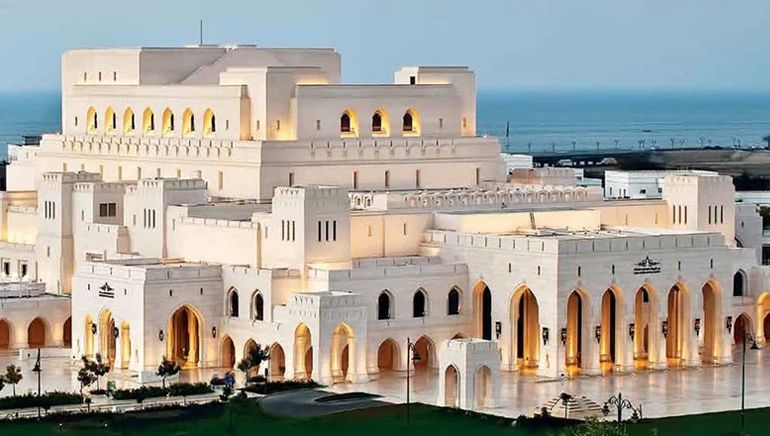
Royal Opera House Muscat is the leading arts and culture organization in the Sultanate of Oman. Located in Muscat, Oman, the vision of the Opera House is to serve as a centre of excellence in global cultural engagement. We strive to enrich lives through diverse artistic, cultural, and educational programs. The multidisciplinary work of Royal Opera House Muscat showcases rich and diverse artistic creations from Oman, the region, and the world; provides a space for culture and socioeconomic development reflections and actions; inspires audiences and nurtures creativity with innovative programs; fosters cultural vitality and unleashes talent; promotes cultural tourism; and puts cultural diplomacy into practice by reinvigorating global and multi-disciplinary collaborations and exchanges.
Al Alam Palace
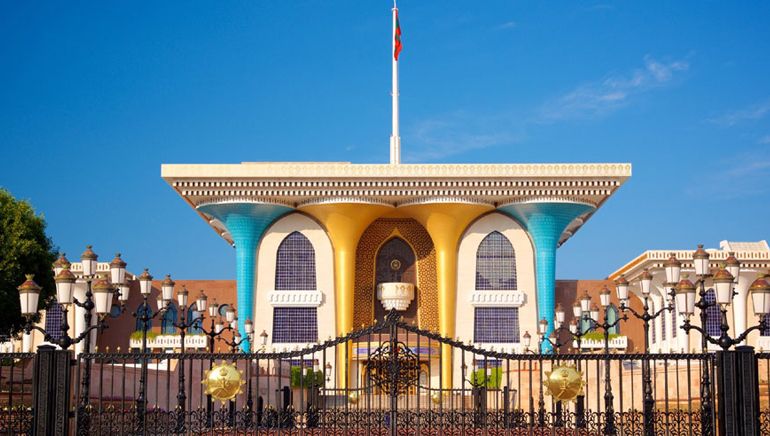
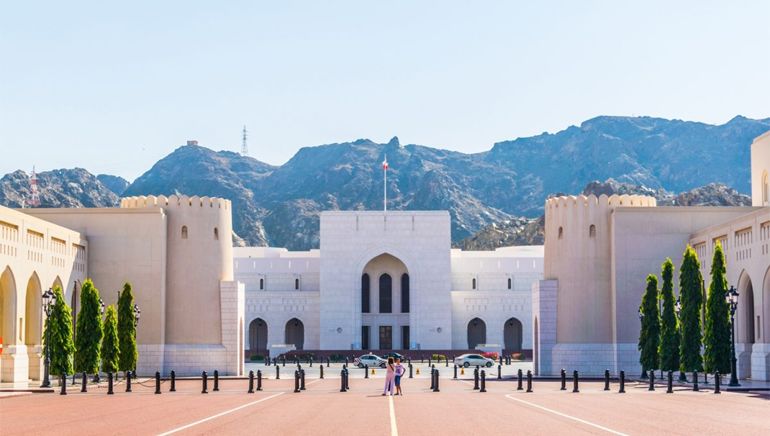
Al Alam Palace (Arabic: قصر العلم Qaṣr al-ʿAlam, "Palace of the Flag") is the ceremonial palace of the Sultan of Oman. It is used for official functions like welcoming foreign dignitaries and heads of state. Al Alam Palace was built in 1972 and represents one of the most extravagant expressions of contemporary Islamic design in the world. The central building is a cube-shaped riot of clean marble surfaces, intricate patterns, and bold colors. This centerpiece is flanked on either side by enormous wings and fronted by a long, broad boulevard. It is an undoubtedly spectacular structure and leaves a lasting impression. This is why Al Alam Palace is traditionally the venue for important state visits. During its relatively short but important history, it has hosted many important international dignitaries.
National Museum of Oman
The journey of the National Museum took its first steps in the early 1970s, when His Majesty Sultan Qaboos bin Said expressed his vision of a flagship repository of Oman’s cultural heritage. Decades of planning ensued, growing from tentative discussions to drawn up plans. Gradually, this vision transformed into a remarkable reality in which we take immense pride. The planning, design and construction of the museum we see today involved an enormous number of moving parts, experts from Oman and around the world convened both in the Sultanate and abroad to begin creating something we knew to be ambitious. We strived to establish an institution par excellence for education and community outreach, and for scientific and historical research. Above all, we strived to create a memorable and authentic experience for Omanis, residents and visitors alike.